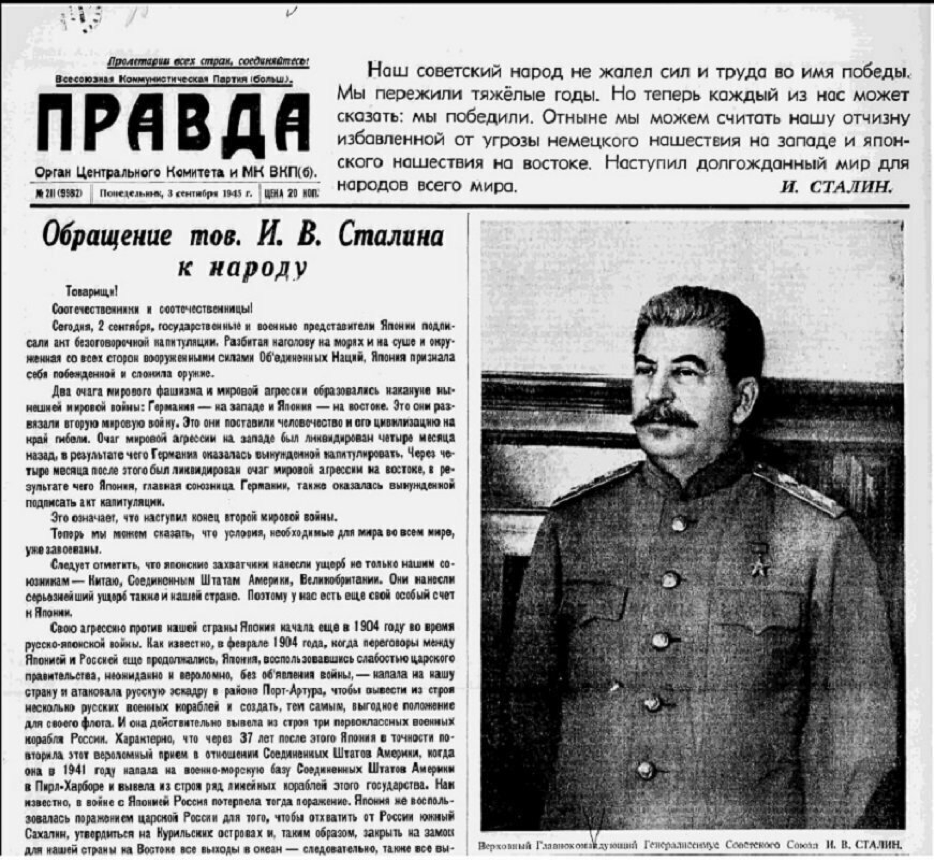
Joseph Stalin stated at the 1943 Tehran Conference, “I want to tell you what, from the Russian point of view, the president and the United States have done for victory in this war. The most important things in this war are the machines…. The United States is a country of machines. Without the machines we received through Lend-Lease, we would have lost the war”. This quote highlights the critical importance of the material aid provided by the U.S. through the Lend-Lease program to the Soviet Union’s ability to fight and ultimately win against Nazi Germany. Context of the Quote
- Occasion: Stalin made this remark during a dinner toast with U.S. President Franklin D. Roosevelt and British Prime Minister Winston Churchill at the Tehran Conference in December 1943.
- Significance: The quote is widely cited as evidence of the vital role Lend-Lease played in the Soviet Union’s war effort. It acknowledges that the United States’ industrial output, particularly its machine tools, was indispensable for the USSR’s survival.
Impact of Lend-Lease
- Machines and Equipment: The aid included essential supplies such as aircraft, tanks, and machine tools that the Soviet Union’s own production couldn’t fully supply.
- Survival and Victory: The material support was considered vital not just for victory but for Soviet survival in the early stages of the German invasion, according to The National WWII Museum.
- Decisive Impact: Late in the war, Stalin acknowledged that Lend-Lease had already had a decisive impact, enabling the Soviet counteroffensives that turned the tide of the war.
Yes, the Soviet Union eventually paid a small portion of its Lend-Lease debt, with the Russian Federation making the final payment in 2006. An agreement was reached in 1972 for the Soviet Union to pay $722 million by 2001, but due to political reasons, payments were halted, and the final sum was paid much later by the successor state, Russia, at a greatly discounted rate. The Debt and Negotiations
- The Soviet Union received approximately $11 billion worth of aid under the Lend-Lease Act, which included weapons, food, and supplies.
- After the war, the United States calculated the value of the remaining civilian supplies and asked for a repayment amount.
- The Soviet Union was reluctant to pay, especially during the hostility of the Cold War.
- In 1972, a final agreement was reached for the Soviet Union to pay $722 million by 2001.
The Final Payment
- Due to the Jackson-Vanik Amendment, which restricted trade with countries limiting human rights and immigration, payments were halted.
- The Soviet Union’s debt was not fully paid before its collapse.
- The Russian Federation, as the successor state, assumed the debt.
- In 2006, the Russian Federation made the final payment, which was significantly lower than the originally requested amount.
The Lend-Lease Act, approved by Congress in March 1941, gave President Franklin D. Roosevelt virtually unlimited authority to direct material aid such as ammunition, tanks, airplanes, trucks, and food to the war effort in Europe without violating America’s official position of neutrality.
Lend-Lease Begins and Expands Further, over the succeeding months, Roosevelt exercised his power under the Act to add more countries to the list of aid recipients. By the end of 1942, the list included the Soviet Union, China, Australia, New Zealand, and the governments-in-exile of Poland, the Netherlands, and Norway.
Сталін особисто розподіляв бронетехніку, що сходила з конвеєрів заводів по … O lend-lize i tixookeanskoj transportnoj e’popee [About Lend-Lease and the …
Випуск 10 (188). (огляд матеріалів зарубіжної преси за 1–31 жовтня 2024 р.) Київ 2024. Page 4. ЗМІСТ. ПЕРЕДМОВА .
автор Т Пастушенко · Цитовано в 1 джерелах — У рамках міжнародної науково-дослідницької програми «Доку- ментування примусової праці як завдання збереження пам’яті». Німецький фонд «Пам’ять, …
of Ecology and Land Use. The course included: an introduction to the U.S. … Як казав товариш Сталін, кадри вирішують все. Постає питан- ня про …